Mastering Mobile Audio Interfaces with the Tuner UI Elements Kit
In the rapidly evolving landscape of mobile application development, the difference between a functional app and an exceptional one often lies in the details of its user interface. For developers and designers tasked with creating music players, audio tuning applications, or dashboard interfaces, the pressure to deliver a polished, intuitive experience is immense. This is where resources like the Tuner UI Elements Kit become indispensable. Rather than starting from scratch, this comprehensive collection offers a head start, providing a suite of pre-designed assets that streamline the creation of professional-grade audio interfaces.
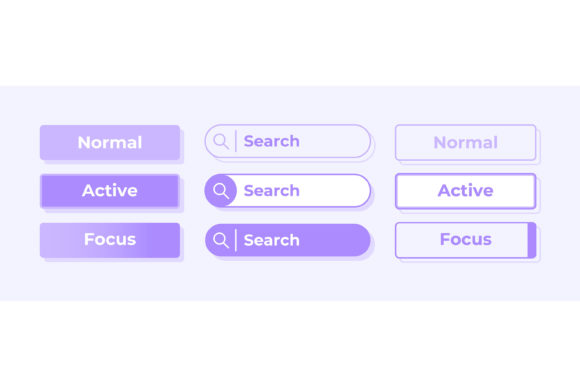
The modern user expects seamless interaction. Whether they are adjusting volume levels on a streaming service, fine-tuning equalizer settings on a professional audio tool, or navigating a complex car dashboard template, the visual language must be clear and responsive. The Tuner UI Elements Kit addresses these needs by offering a cohesive set of web design widgets specifically tailored for mobile applications with a light theme interface. By leveraging these elements, creators can focus more on the logic and functionality of their apps while ensuring the visual presentation meets high industry standards.
The Core Components of a Professional Audio Interface
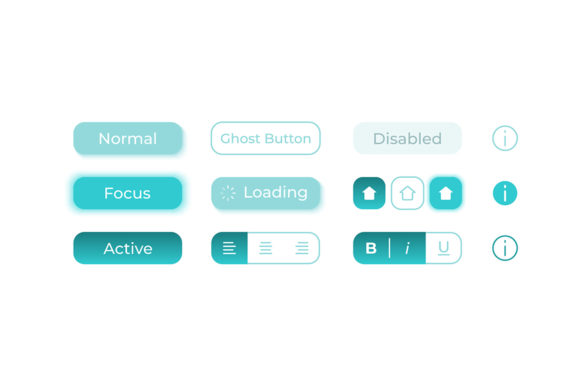
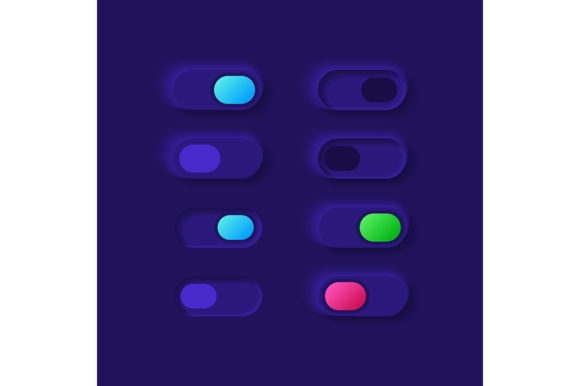
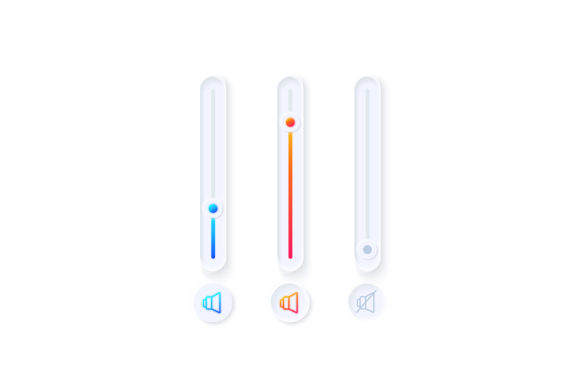
At the heart of any audio application is the ability to control sound. The Tuner UI Elements Kit excels in providing versatile components for volume level adjustment. These are not merely static images; they are thoughtfully designed vectors that imply interactivity. A well-designed volume slider does more than change a number; it provides visual feedback, guiding the user's finger and confirming their input instantly. The kit includes various styles of sliders, knobs, and toggle switches that fit perfectly within a light-themed environment, ensuring readability and aesthetic appeal regardless of the device screen size.
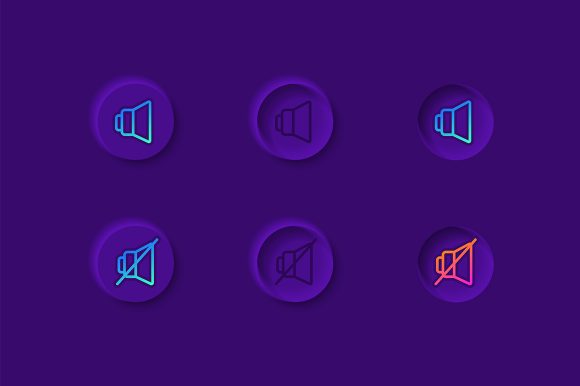
Beyond simple volume controls, the kit features a dedicated music player isolated vector icon set. In user interface design, isolation is key. Icons need to stand out against backgrounds without clutter. These vector icons are crafted to be crisp at any resolution, making them ideal for high-density mobile displays. They serve as the visual anchors for play, pause, skip, and shuffle functions, allowing users to navigate their media libraries with confidence. The consistency in line weight and style across these icons ensures that the application feels unified and professionally curated.
Furthermore, the inclusion of a bar and dashboard template elevates the utility of this kit. Dashboards are often the most complex part of an application, requiring the synthesis of multiple data points into a single, glanceable view. Whether it is displaying frequency ranges, battery life of connected devices, or current track information, the templates provided offer a structural foundation. They eliminate the guesswork involved in layout design, allowing developers to plug in their data streams and present them in a format that is both beautiful and functional.
Technical Versatility and File Formats
One of the most significant advantages of the Tuner UI Elements Kit is its technical flexibility. Designers and developers work in diverse ecosystems, and a rigid file format can be a bottleneck. This kit resolves that issue by including a ZIP file containing EPS, JPG, PNG, SVG, and AI formats. This variety ensures compatibility with virtually every major design and development tool.
- SVG (Scalable Vector Graphics): Ideal for web and mobile development, SVGs allow for infinite scaling without loss of quality. They can be styled directly with CSS, enabling dynamic color changes based on user themes or app states.
- AI (Adobe Illustrator) & EPS: These source files are crucial for designers who need to modify the core shapes, adjust bezier curves, or create custom variations of the existing elements. They provide full editability for bespoke branding requirements.
- PNG & JPG: Perfect for rapid prototyping, presentations, or instances where raster images are preferred for specific texture effects or compatibility with older systems.
This multi-format approach means that a team can collaborate effectively. A graphic designer can tweak the master files in Illustrator, while a front-end developer pulls the SVGs directly into the codebase. This workflow efficiency reduces the time from concept to deployment, a critical factor in today's fast-paced market.
Real-World Applications and Use Cases
The versatility of the Tuner UI Elements Kit extends far beyond standard music players. Its components are adaptable to a wide array of industries and application types. Consider the automotive sector, where digital dashboards are becoming the norm. The bar and dashboard templates can be repurposed to display vehicle telemetry, fuel efficiency, or navigation cues, all while maintaining the clean, light-theme aesthetic that reduces driver distraction.
In the realm of health and fitness, audio-guided workout apps require intuitive controls that users can operate while in motion. The large, touch-friendly volume adjustments and clear play/pause icons from the kit ensure that users can manage their audio experience without breaking their stride. Similarly, educational platforms utilizing audio lessons benefit from the clarity of the interface, ensuring that students can focus on the content rather than struggling with confusing controls.
For business owners launching a branded podcast app or an internal communication tool, the kit offers a cost-effective solution to achieve a premium look. Instead of hiring a specialized UI designer for weeks, teams can utilize these pre-built widgets to launch a minimum viable product (MVP) that looks polished from day one. This allows businesses to test their concepts with real users sooner, gathering valuable feedback to iterate upon.
Evaluating Suitability for Your Project
While the Tuner UI Elements Kit offers immense value, it is important to evaluate its suitability for your specific project needs. The kit is optimized for a light theme interface. If your application relies heavily on a dark mode aesthetic, you may need to invest time in recoloring the assets or using the AI/EPS files to invert the designs. However, the vector nature of the files makes this process straightforward for anyone with basic design skills.
Additionally, consider the scope of your audio features. If your application requires highly specialized visualizers, such as real-time waveform rendering or complex spectrograms, the kit serves as an excellent foundational layer but may need to be supplemented with custom-coded graphics. The strength of this kit lies in standard interaction patterns—controls, indicators, and layout structures—rather than dynamic, data-driven visualizations.
- Assess Brand Alignment: Review the style of the icons and widgets. Do they align with your brand's personality? The clean, modern look is versatile, but ensure it matches your overall design language.
- Check Technical Requirements: Verify that your development environment supports the provided formats, particularly SVG for web-based or hybrid mobile apps.
- Plan for Customization: Determine if you have the resources to modify the source files if minor tweaks are needed to fit unique screen dimensions or accessibility standards.
The Value of Standardization in User Experience
Adopting a standardized set of UI elements like those found in the Tuner UI Elements Kit brings consistency to the user experience. When users encounter familiar control layouts and iconography, the learning curve is minimized. They intuitively know how to adjust the volume or skip a track because the visual cues match their mental models established by other high-quality apps. This familiarity breeds trust and comfort, encouraging longer engagement times.
Moreover, consistency aids in accessibility. Well-designed UI kits often adhere to best practices regarding contrast ratios and touch target sizes. The light theme interface inherently promotes high contrast when paired with dark text and icons, aiding users with visual impairments. By using professional-grade assets, developers inadvertently bolster the accessibility of their applications, making them usable by a broader audience.
Future-Proofing Your Design Assets
Investing in a high-quality asset pack is an investment in the longevity of your project. As mobile screens evolve and resolution standards increase, vector-based assets remain sharp and relevant. The Tuner UI Elements Kit, with its inclusion of SVG and AI files, ensures that your interface will not look pixelated on the next generation of smartphones or tablets. This future-proofing saves money and time in the long run, eliminating the need for frequent redesigns due to outdated graphics.
In conclusion, the Tuner UI Elements Kit represents a powerful tool for anyone involved in the creation of audio-centric mobile applications. From its comprehensive range of volume controls and dashboard templates to its flexible file formats, it addresses the practical challenges of UI design. Whether you are a solo developer looking to polish your latest app or a large team aiming to streamline your workflow, this kit provides the building blocks necessary to create engaging, user-friendly, and visually stunning interfaces. By focusing on the fundamentals of good design—clarity, consistency, and usability—it empowers creators to build experiences that resonate with users and stand out in a crowded marketplace.