Elevate Ride-Sharing Designs with a Taxi App UI Kit
In the fast-paced world of mobile application development, the difference between a user who books a ride and one who abandons the app often comes down to interface clarity. A Taxi App UI Elements Kit serves as the foundational blueprint for building intuitive, high-converting transportation platforms. These comprehensive collections are not merely assortments of buttons and icons; they are strategic assets designed to streamline the design process while ensuring a seamless user experience. For designers, developers, and entrepreneurs looking to launch a ride-hailing service or prototype a new mobility concept, leveraging a pre-built kit offers a significant head start.
The core value of a Taxi app UI elements kit lies in its ability to standardize complex interactions. When a user opens a ride-sharing application, they have immediate needs: locating their position, selecting a vehicle type, estimating the fare, and tracking the driver. A well-structured kit provides isolated vector icons for these specific actions, such as user profile settings for ride order, ensuring that every touchpoint feels familiar yet distinct. By utilizing assets available in versatile file types like JPG, EPS, PNG, SVG, and AI, creators can adapt the visuals for any stage of the workflow, from low-fidelity wireframing to high-fidelity final exports.
The Power of Dark Theme Interfaces in Mobility
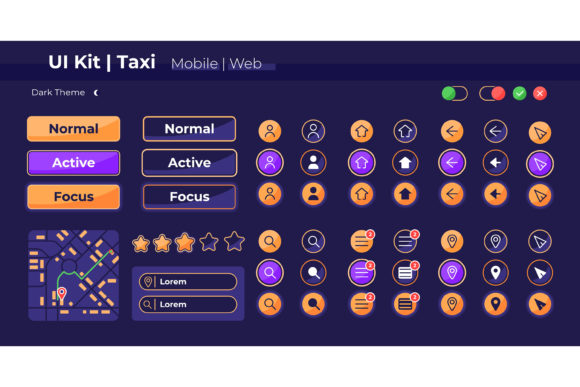
One of the most compelling features found in modern kits is the inclusion of a dark theme interface. While light modes have long been the standard, dark themes have become essential for transportation apps due to their practical utility. Consider the primary use case: users often book rides early in the morning before sunrise or late at night after an event. A bright white screen in a dark environment causes eye strain and can temporarily blind the user, making it difficult to spot their approaching vehicle on the street.
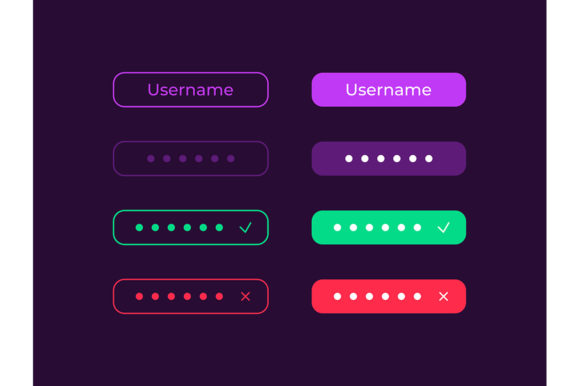
A web design widget collection tailored for mobile applications with a dark theme solves this by offering high-contrast elements that remain legible without emitting excessive blue light. This approach does more than protect the user's eyes; it adds a layer of sophistication and modernity to the brand. When implementing a dark dashboard template, designers must pay close attention to hierarchy. Subtle variations in gray tones, combined with vibrant accent colors for call-to-action buttons, guide the user's focus effectively. The result is an interface that feels premium and considerate of the user's context.
Essential Components for a Seamless Booking Flow
To build a functional prototype or a production-ready app, you need more than just aesthetic appeal; you need structural integrity. A robust Taxi App UI Elements Kit breaks down the application into modular components that can be mixed and matched. Here are the critical areas where these kits provide the most value:
- User Profile and Settings: This is the command center for the passenger. Isolated vector icons for editing personal details, managing payment methods, and viewing ride history are crucial. The "user profile settings for ride order" specifically allows users to customize preferences, such as preferred music temperature, or accessibility needs, creating a personalized journey.
- The Dashboard Template: Often the first screen a user sees, the dashboard must display the map, current location, and nearby vehicles instantly. A well-designed dashboard template balances map data with overlay controls, ensuring that critical information is never obscured.
- Ride Selection Widgets: Users need to compare options quickly. Widget collections should include clear cards displaying vehicle types (Economy, Premium, Van), estimated arrival times, and dynamic pricing. Clarity here reduces decision fatigue.
- Tracking and Communication: Once a ride is booked, the interface shifts to tracking. Elements like animated car markers, driver details, and chat/call buttons must be prominent and easy to tap while on the move.
Adapting Assets for Diverse Creative Goals
The versatility of a Taxi app UI elements kit extends beyond traditional ride-hailing startups. Different professionals can adapt these resources to suit a wide array of projects. For instance, a freelance designer working on a logistics platform for delivery trucks can repurpose the tracking and mapping widgets to show package movement instead of passenger transport. Similarly, educators teaching UX/UI principles can use these kits as real-world case studies, allowing students to deconstruct how complex flows are simplified into digestible screens.
Marketers and bloggers focusing on the gig economy can utilize the high-quality JPG and PNG renders from these kits to create engaging visual content for articles and social media posts. Instead of relying on generic stock photos, they can showcase custom mockups that accurately reflect the technology being discussed. For small business owners launching a niche shuttle service or a corporate transport solution, these kits offer a cost-effective way to visualize their product before committing to expensive custom development.
The availability of vector formats like SVG and AI is particularly beneficial for creators who need to scale graphics without losing quality. Whether you are designing a massive billboard advertisement for your new app or a tiny favicon for the website, vector assets ensure crisp edges and perfect alignment. This flexibility encourages useful creativity, allowing teams to experiment with branding colors and typography while maintaining the structural integrity of the UI components.
Maintaining Consistency and Originality
While using a pre-made kit accelerates the design process, there is a risk of your application looking identical to competitors if the assets are used without modification. To keep results original and audience-friendly, treat the kit as a foundation rather than a finished product. Start by analyzing the bar and dashboard template provided. Does the navigation structure align with your specific user flow? If your app offers unique features like scheduled rides or carpooling, you may need to rearrange the widget collection to prioritize these functions.
Customization is key to establishing a unique brand identity. Take the isolated vector icons and adjust the stroke weight, corner radius, or color palette to match your brand guidelines. If the kit offers a dark theme, consider creating a hybrid approach where certain sections utilize light cards to break up the visual monotony, provided it maintains readability. The goal is to leverage the efficiency of the kit while injecting your own creative direction.
Furthermore, organization plays a vital role in the handoff between design and development. When working with files in EPS, AI, or SVG formats, ensure that layers are named logically and groups are structured intuitively. This practice not only speeds up the coding phase but also makes future updates easier to manage. A clean, organized file structure reflects a professional approach and ensures that the final product remains consistent across different devices and screen sizes.
Practical Inspiration for Your Next Project
Imagine you are tasked with designing a ride-sharing app specifically for tourists in a major city. Using a Taxi App UI Elements Kit, you could rapidly prototype a feature that highlights landmarks on the map widget. You might adapt the user profile settings to include language preferences and currency conversion tools prominently. The dark theme interface would be particularly useful for tourists navigating unfamiliar streets at night, providing a sense of security and ease.
Alternatively, consider a corporate fleet management tool. Here, the dashboard template becomes a command center for administrators. By reinterpreting the ride order icons, you can create a system for assigning drivers to employees, tracking fuel usage, and generating expense reports. The modular nature of these kits allows for such pivots without requiring a complete redesign from scratch.
Ultimately, the best designs are those that solve problems efficiently. A Taxi app UI elements kit provides the vocabulary you need to speak the language of modern mobility. By combining these high-quality assets with thoughtful customization and a deep understanding of user needs, you can create applications that are not only visually stunning but also highly functional. Whether you are a seasoned developer or an entrepreneur with a vision, these tools empower you to bring your ideas to life with precision and style.
Remember, the technology behind the app is important, but the interface is the bridge between that technology and the human being using it. Invest time in selecting the right elements, refining the user flow, and ensuring that every interaction feels natural. With the right Taxi App UI Elements Kit in your arsenal, the path from concept to launch becomes clearer, faster, and far more inspiring.