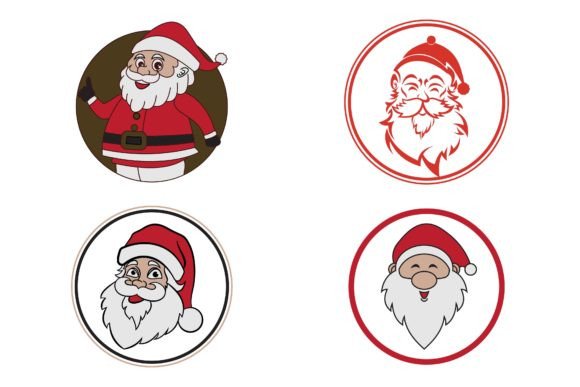
The Strategic Evolution of the Santa Claus Logo in Modern Branding
In the vast landscape of seasonal marketing, few symbols possess the immediate recognition and emotional resonance of Santa Claus. For decades, the image of the jolly man in red has been a staple of Christmas advertising, retail decorations, and greeting cards. However, in today's hyper-competitive digital economy, the traditional depiction is undergoing a significant transformation. The modern Santa Claus logo is no longer just a festive illustration; it is a strategic asset that bridges tradition with contemporary design trends, serving as a powerful tool for entrepreneurs, marketers, and creative professionals alike.
Redefining the Icon: From Clipart to Brand Identity
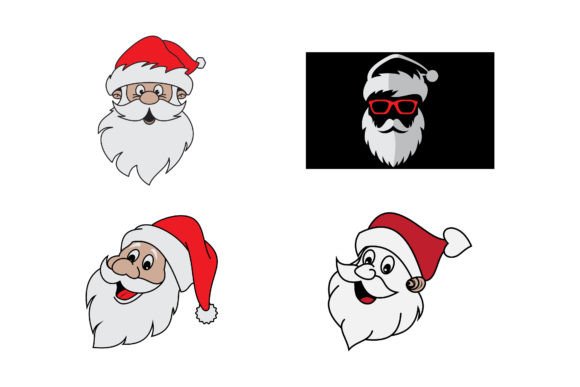
Historically, the visual representation of Father Christmas or Saint Nicholas was often relegated to generic clipart or mass-produced stickers. These assets, while functional, lacked distinctiveness. A generic cartoon face with a white beard and a red hat could belong to any department store. Today, the demand has shifted toward unique logotypes and custom mascot logos that embody a specific brand voice.
A Santa Claus logo in the current market context is a synthesized graphic element that captures the essence of the holiday while adhering to strict brand guidelines. Whether rendered as a sleek vector line art piece, a vibrant 3d character, or a minimalist pictogram, the goal is isolation and clarity. Professionals are moving away from cluttered backgrounds filled with snowflakes and reindeer in favor of clean, isolated icons that scale perfectly across mobile apps, social media avatars, and large-format banners.
This shift reflects a broader industry trend where visual identity must remain consistent across diverse touchpoints. A retro vintage badge might work for a craft brewery's holiday ale, while a flat design icon suits a tech startup's end-of-year update. The versatility of the symbol allows it to be adapted without losing its core message of joy and celebration.
The Intersection of Tradition and Digital Trends
The relevance of the Santa Claus logo extends beyond mere aesthetics; it taps into deep psychological triggers associated with the winter season. Consumers associate the image with gifts, giving, and warmth. However, the way these associations are visually communicated has evolved alongside technology and cultural shifts.
One notable development is the rise of niche subcultures integrating holiday motifs. We now see esport teams adopting aggressive, stylized versions of Santa for their gaming merchandise, blending the funky energy of rock culture with holiday cheer. Similarly, the hipster movement has popularized typography-heavy designs where the lettering of "Merry Christmas" intertwines with abstract representations of the cap or gloves, creating a sophisticated poster or flyer aesthetic that appeals to a younger demographic.
Furthermore, the global events of recent years, including the covid-19 pandemic, temporarily influenced creative directions. Designers experimented with concepts of protection and safety, occasionally depicting the character with a surgical mask or emphasizing contactless delivery themes. While such specific motifs may fade, they highlighted the adaptability of the character to reflect current societal moods. The modern illustration must be flexible enough to convey hope and resilience alongside traditional festivity.
Practical Applications in Marketing and Commerce
For businesses and freelancers, deploying a well-crafted Santa Claus logo can significantly enhance campaign performance during the critical December shopping window. The application of these assets is vast:
- E-commerce Packaging: Custom stamps or seals on gift boxes and bags create an unboxing experience that feels personal and premium.
- Digital Campaigns: Animated vectors serve as engaging elements in email headers and social media stories, driving higher click-through rates than static text.
- Retail Signage: Large-scale emblems act as wayfinding tools in stores, guiding customers to seasonal sections with instant visual cues.
- Corporate Gifting: A bespoke badge or label on corporate presents reinforces company culture and strengthens client relationships.
The key to success lies in alignment. A luxury brand might opt for a gold and black palette with a refined, thin line drawing, avoiding the cliché bright red and green. Conversely, a children's toy brand might leverage a colorful, cute, and highly detailed doll-like rendering to spark imagination. Understanding the target audience's preferences is crucial; what works for a family oriented event may not resonate with a corporate party invitation.
Design Workflows and Technical Considerations
Creating or selecting the right asset requires a keen eye for technical quality. In an era of high-resolution displays and varied screen sizes, the integrity of the graphic is paramount. Professionals prioritize vector formats (such as SVG or EPS) over raster images to ensure the logo remains crisp whether it is displayed on a smartwatch or a billboard.
Moreover, the concept of modularity is gaining traction. Designers are building sets of elements—separate layers for the face, hat, beard, and sack—allowing marketers to mix and match components for different campaigns. This approach supports rapid iteration and A/B testing, essential practices in data-driven marketing. For instance, a brand might test a smiling version against a winking version to see which drives more engagement on their web platform.
Accessibility is another critical factor. Effective design ensures that the icon is distinguishable for users with visual impairments. This involves careful consideration of contrast ratios between the red suit and the white fur, as well as the use of clear outlines that define the shape against various backgrounds.
The Future of Seasonal Branding
As we look toward future holidays, the Santa Claus logo will continue to evolve. We are likely to see a greater integration of motion graphics, where the static image becomes a dynamic animation featuring falling snow or a nodding head. Augmented Reality (AR) filters on social platforms will allow users to interact with these mascots directly, placing a virtual hat on their own heads or viewing a 3d Santa in their living room.
Despite these technological advancements, the core spirit remains unchanged. The figure of Nicholas represents generosity and community. Successful branding leverages this universal appeal without diluting the brand's unique identity. Whether through a grunge texture for an edgy streetwear label or a soft, wool-textured illustration for a cozy home goods line, the execution must feel authentic.
Entrepreneurs and creatives who understand this balance—honoring the tradition while embracing modern style—will find the most success. The Santa Claus logo is not merely a decoration; it is a conduit for connection in a busy commercial season. By treating it with the same strategic rigor as a primary brand mark, businesses can create memorable experiences that resonate long after the New Year begins.
In conclusion, the landscape of holiday design is rich with opportunity. From vintage postcards to cutting-edge digital interfaces, the adaptation of this timeless symbol offers a pathway to engage audiences meaningfully. As consumer expectations rise, the demand for high-quality, thoughtful, and versatile creative work will only increase, making the mastery of such iconic imagery an invaluable skill for any professional in the field.