Elevating Brand Identity with Abstract Geometric Elements Pattern
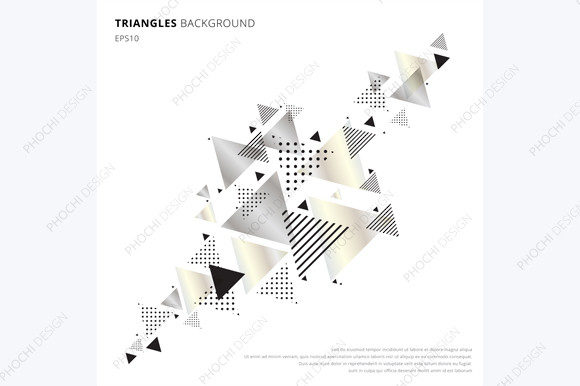
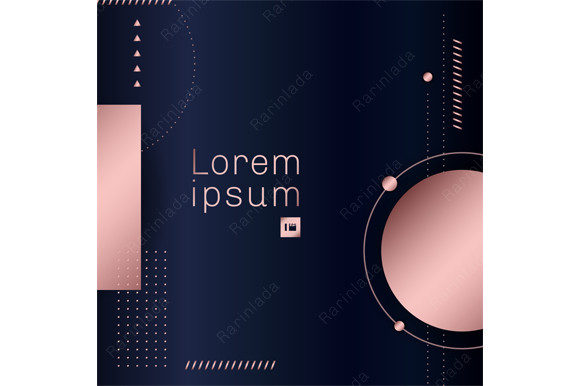
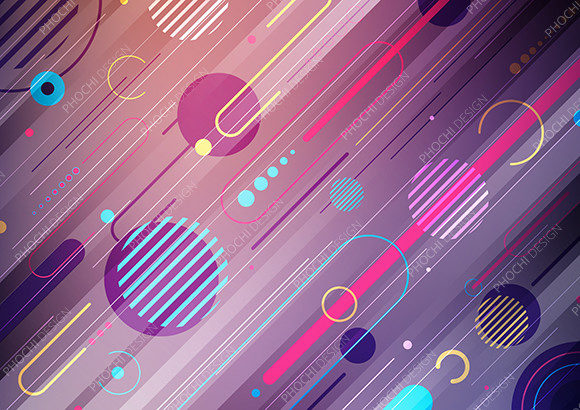
In the fast-paced world of visual communication, the demand for designs that are both striking and versatile has never been higher. Among the most enduring yet evolving styles is the Abstract Geometric Elements Pattern. This design approach moves beyond simple decoration; it serves as a foundational language for modern branding, marketing materials, and digital interfaces. Whether you are designing a corporate brochure, a dynamic web banner, or an eye-catching poster, the integration of creative abstract dynamic geometric elements on stripes and diagonal lines offers a sophisticated way to capture attention without overwhelming the viewer.
The relevance of geometric patterns lies in their ability to convey order, movement, and innovation simultaneously. Unlike organic shapes that mimic nature, geometric forms suggest precision and human ingenuity. In today's market, where consumers are bombarded with information, a clean, structured background allows key messages to stand out. The specific combination of diagonal lines and striped motifs creates a sense of forward momentum, making it an ideal choice for businesses looking to project growth and energy.
The Evolution of Geometric Design in Modern Workflows
Design trends are rarely static; they evolve in response to technological advancements and shifting cultural aesthetics. The journey of the Abstract Geometric Elements Pattern reflects this change. Decades ago, geometric designs were often rigid and confined to specific architectural contexts. Today, however, they have become fluid and dynamic. The introduction of diagonal geometric lines and overlapping stripes has transformed these patterns from static backgrounds into active components of visual storytelling.
This evolution aligns perfectly with modern workflows. Professionals across various industries—from freelance graphic designers to in-house marketing teams—require assets that are adaptable. A pattern that works on a large format billboard must also retain its integrity when scaled down for a mobile web banner. The shift towards vector-based illustrations has been pivotal in this regard. Vector graphics ensure that every line remains crisp and every angle sharp, regardless of the output size. This scalability is crucial in an era where a single brand asset might appear on everything from a business card to a massive trade show display.
Furthermore, the aesthetic preference has shifted towards minimalism combined with depth. Flat design dominated the early 2010s, but users now expect more visual interest. Creative abstract dynamic geometric elements provide this depth through layering and intersection without resorting to heavy textures or photorealism. This balance satisfies the modern user's expectation for clean interfaces that still feel engaging and premium.
Practical Applications Across Industries
The versatility of a high-resolution geometric pattern makes it a valuable tool for a wide range of applications. Understanding how to deploy these elements effectively can significantly enhance the impact of your projects.
- Corporate Branding and Brochures: For businesses, trust and professionalism are paramount. A background featuring subtle diagonal stripes can add texture to a company brochure without distracting from the text. It provides a structured canvas that suggests reliability and attention to detail.
- Digital Marketing and Web Banners: In the digital realm, capturing attention within seconds is critical. Dynamic geometric patterns create visual movement that guides the eye toward call-to-action buttons. When used in web headers or social media banners, these designs break the monotony of solid colors.
- Event Posters and Flyers: For events, concerts, or conferences, energy is key. Bold, intersecting geometric lines can convey excitement and rhythm. The contrast between thick and thin lines in a vector illustration can create a sense of beat and tempo, perfectly suiting promotional materials.
- Packaging Design: Product packaging needs to stand out on crowded shelves. An abstract geometric pattern can serve as a unique brand signature, making a product instantly recognizable from a distance.
The practical implication for creators is clear: having access to a fully editable, high-quality file is not just a convenience; it is a necessity. When a design file is provided in formats like EPS Version 10 and high-resolution JPG, it empowers the user to customize colors to match specific brand guidelines, adjust line weights, or crop sections for different aspect ratios. This level of control ensures that the final output is cohesive and professional.
Technical Superiority: Why Vector Matters
At the heart of effective geometric design is the technology used to create it. The distinction between raster and vector graphics is fundamental. Raster images, composed of pixels, can become blurry or pixelated when enlarged. In contrast, vector illustrations are built on mathematical paths. This means that an Abstract Geometric Elements Pattern created as a vector can be scaled infinitely without any loss of quality.
For professionals using software such as Adobe Illustrator or Corel Draw, working with 100% vector files offers unparalleled flexibility. Every shape, line, and color block is an independent object. If a client requests a change from a navy blue palette to a vibrant orange, the adjustment takes seconds rather than hours. Moreover, the inclusion of files at 300 DPI ensures that print outputs are sharp and free of artifacts. This resolution standard is essential for professional printing, ensuring that brochures, posters, and flyers look pristine in physical form.
The absence of watermarks in professional design files is another critical factor. Watermarked previews are useful for selection, but the final production file must be clean to maintain the integrity of the design. Receiving a package that includes fully editable vectors alongside ready-to-use JPGs streamlines the workflow, allowing designers to move quickly from concept to completion.
Adapting to Changing Consumer Expectations
Consumer behavior is increasingly driven by visual literacy. Audiences today are more discerning about design quality. They subconsciously associate poor design with low-quality products or services. Conversely, a well-executed geometric pattern signals competence and modernity. This is particularly true for startups and tech companies, where the visual identity often serves as the first point of contact with potential customers.
The trend towards "dynamic" geometry also reflects a broader cultural shift towards agility and adaptability. Static, symmetrical designs can sometimes feel traditional or stagnant. By incorporating diagonal lines and asymmetrical arrangements, brands can visually communicate that they are forward-thinking and responsive to change. This psychological impact is subtle but powerful. It helps align the brand's visual presence with its strategic goals.
Moreover, the rise of remote work and digital collaboration has increased the need for standardized yet flexible design assets. Teams distributed across different locations need access to central design resources that everyone can use consistently. A robust library of geometric patterns, available in universal formats, facilitates this consistency. It ensures that whether a marketer in New York or a designer in London is creating a flyer, the core visual elements remain aligned with the brand identity.
Strategies for Effective Implementation
To maximize the potential of Abstract Geometric Elements Pattern designs, consider the following recommendations:
- Maintain Contrast: When overlaying text on a geometric background, ensure there is sufficient contrast. Use opacity adjustments on the vector layers to create a subdued background if the text needs to be the primary focus.
- Color Psychology: While the structure of the geometry provides the form, color provides the emotion. Blue tones may convey trust for financial services, while warm reds and oranges might suit entertainment or food industries. The editability of vector files makes testing these palettes easy.
- Consistency Across Channels: Use the same geometric motif across your website, social media, and print materials. This repetition builds brand recognition. The scalability of vector graphics ensures the pattern looks good on a smartphone screen and a printed banner alike.
- Layering Techniques: Don't be afraid to layer multiple geometric elements. Combining stripes with scattered shapes can create a unique composition that feels custom-made, even when starting with a template.
In conclusion, the integration of creative abstract dynamic geometric elements into your design toolkit is a strategic move. It bridges the gap between artistic expression and functional utility. As the digital and physical worlds continue to merge, the need for high-resolution, scalable, and aesthetically pleasing visuals will only grow. By leveraging the precision of vector illustrations and the timeless appeal of geometric forms, creators and businesses can produce work that resonates with modern audiences. Whether you are updating a corporate brochure or launching a new web campaign, these patterns offer a solid foundation for visual success.
The availability of comprehensive file packages, including EPS and JPG formats, removes technical barriers, allowing you to focus on creativity. With no watermarks and full editability, the power to adapt these designs to your specific needs is entirely in your hands. Embrace the clarity and dynamism of geometric design to elevate your projects and meet the evolving demands of the marketplace.